About Total Annihilation
The basics are below. The other pages in this section go into the economy, movement, weapons and sight in detail, and cover the two expansions, the game's history from 1997 to today and the people who made it.
The Basics
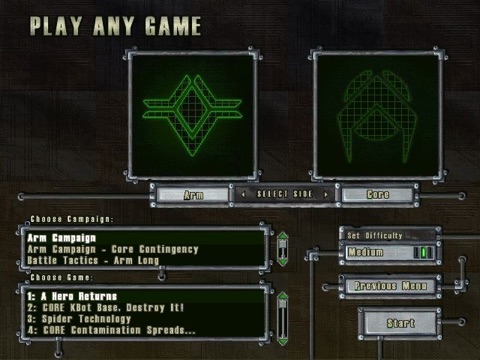
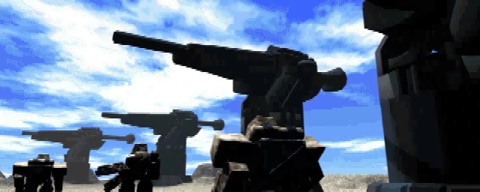
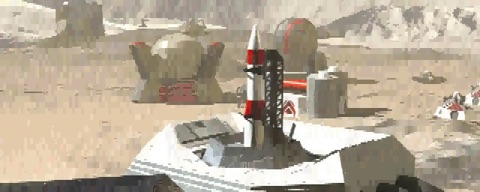
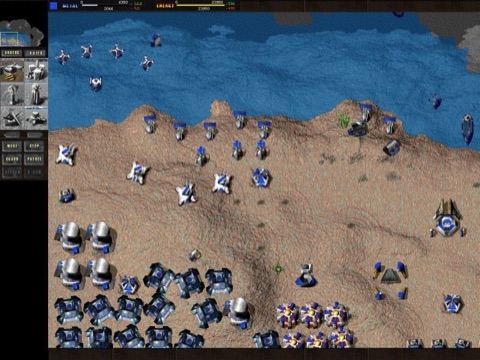
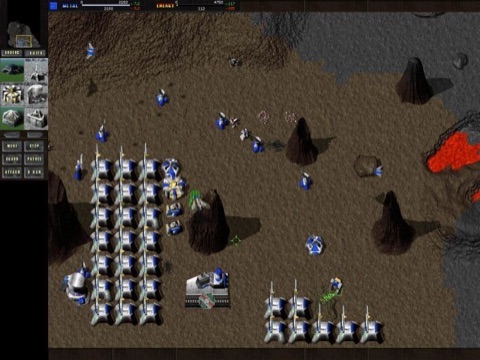
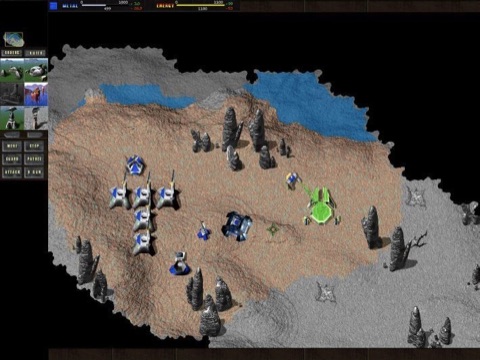
Total Annihilation is a real-time strategy game. Cavedog Entertainment made it, and GT Interactive published it in September 1997. Two sides fight a war across a galaxy: the Arm, who pilot their machines, and the Core, who have moved their minds into machines.
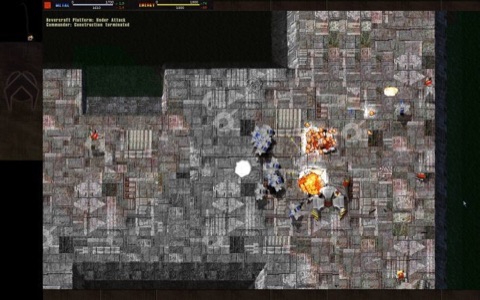
Each player starts with one Commander, a large robot that can build, fight and capture. It builds your first structures. In most games, losing it ends the game for you, and when it dies it explodes with enough force to destroy whatever stands near it.
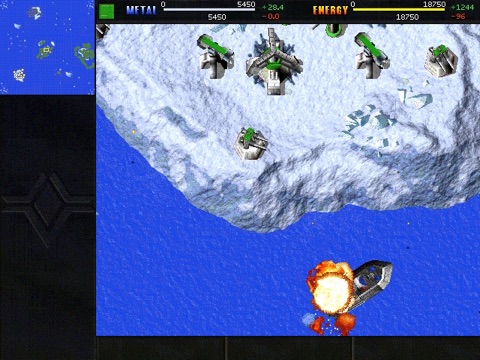
Everything is paid for in two resources. Metal comes from extractors on metal deposits; energy comes from solar collectors, wind and tidal generators, geothermal plants and fusion reactors. Both arrive as a steady flow, and builders spend them while they work. Reclaiming wrecks, rocks and trees gives extra metal and energy (see the economy page).
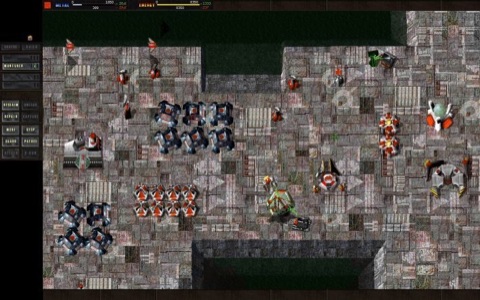
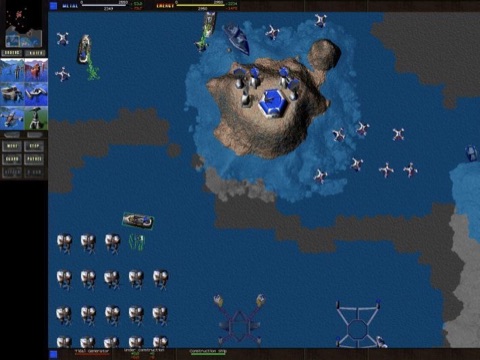
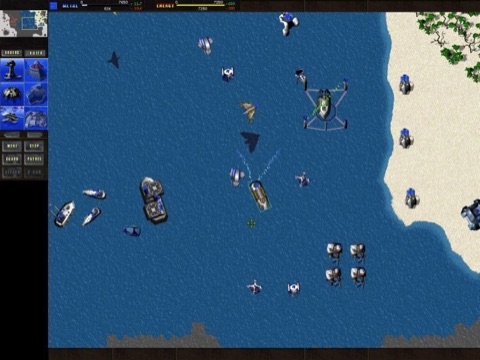
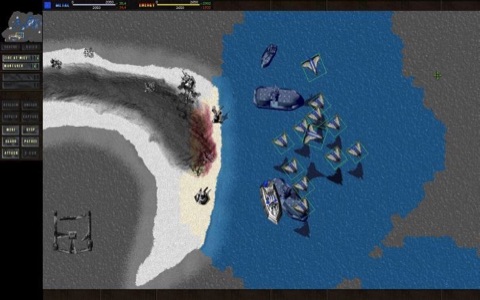
Each side's factories turn out kbots (walking robots), vehicles, aircraft and ships, first from basic factories and later from advanced ones. You can give a unit a queue of orders, and a factory can send its new units straight onto a patrol route.
The battlefield has real hills and valleys. Shells and rockets fly across the map, and they can miss, hit the ground or hit a unit they were not aimed at. Hills can stop shots. What each side can see depends on sight, radar, sonar and jammers, which the combat page describes with figures.
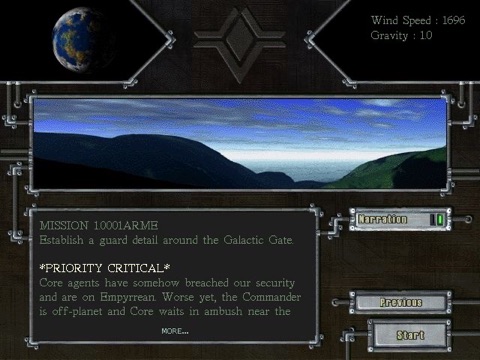
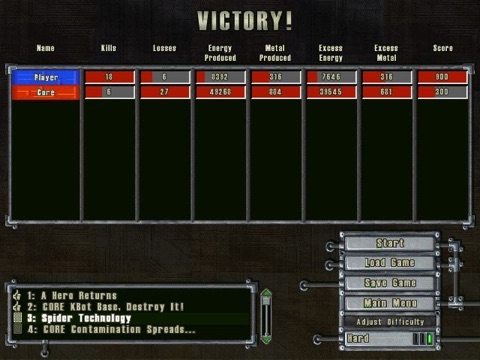
The original game has an Arm campaign and a Core campaign of 25 missions each. The Core Contingency and Battle Tactics add more missions, maps and units. Skirmish games against the computer and multiplayer games are played on the multiplayer maps.